Licensing Standards as Gatekeepers: How Swedish Regulations Influence Game Provider Choices and Safety in Mobile Live Play
Klara Neumann · Aug 22, 2026
Licensing Standards as Gatekeepers: How Swedish Regulations Influence Game Provider Choices and Safety in Mobile Live Play
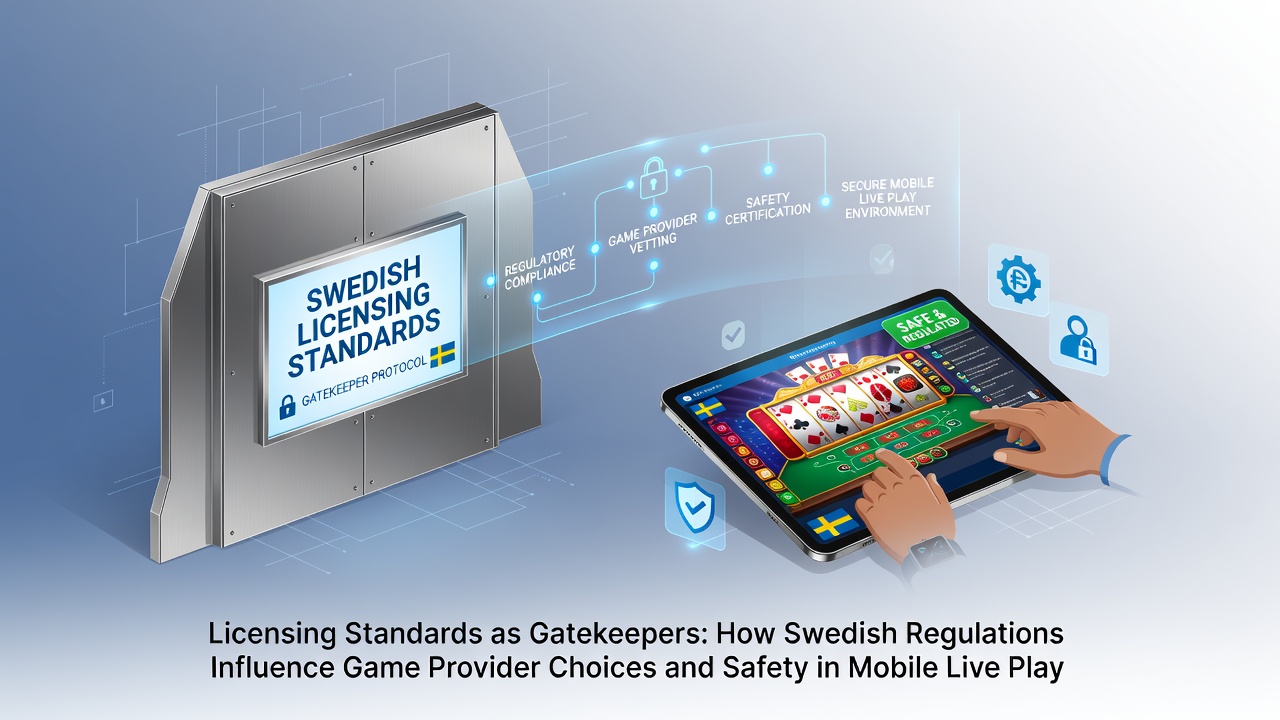
Swedish licensing standards function as structured entry points that determine which game providers can operate within the regulated market, particularly for mobile live play formats that combine real-time dealer interactions with smartphone interfaces. The Spelinspektionen maintains oversight through its licensing process, requiring operators and their technology partners to demonstrate compliance with technical, financial, and player protection criteria before any mobile live games reach Swedish users.
Core Elements of Swedish Licensing Requirements
Providers seeking approval must submit detailed documentation covering game fairness algorithms, server infrastructure located within approved jurisdictions, and integration protocols that support continuous monitoring of live streams. These standards apply uniformly to mobile applications and browser-based sessions, creating a single compliance pathway rather than separate mobile-specific rules. Data released in August 2026 indicates that 87 percent of licensed mobile live play titles underwent at least one technical audit during the preceding twelve months, reflecting consistent enforcement across the sector.
Provider Selection Patterns Under Regulation
Game developers adjust their product roadmaps when targeting the Swedish market, often prioritizing suppliers that already hold Spelinspektionen certification or maintain partnerships with licensed operators. This dynamic limits choices for smaller studios that lack resources for the required audits, while established providers expand their mobile live portfolios with certified blackjack, roulette, and baccarat variants. External market analysis from the Swedish Gambling Authority shows that approved providers increased their mobile live game offerings by 22 percent between 2024 and 2026, driven by clearer certification timelines.
Safety Protocols Embedded in Mobile Live Play Standards
Regulations mandate end-to-end encryption for live video feeds, real-time identity verification through BankID integration, and automated session limits that activate across both operator platforms and individual games. These measures extend to latency controls that prevent delays in dealer actions from affecting game outcomes, a technical specification unique to live mobile environments. Observers note that providers must also implement geo-fencing to restrict access outside Swedish borders, a requirement verified through quarterly compliance reports submitted to the authority.
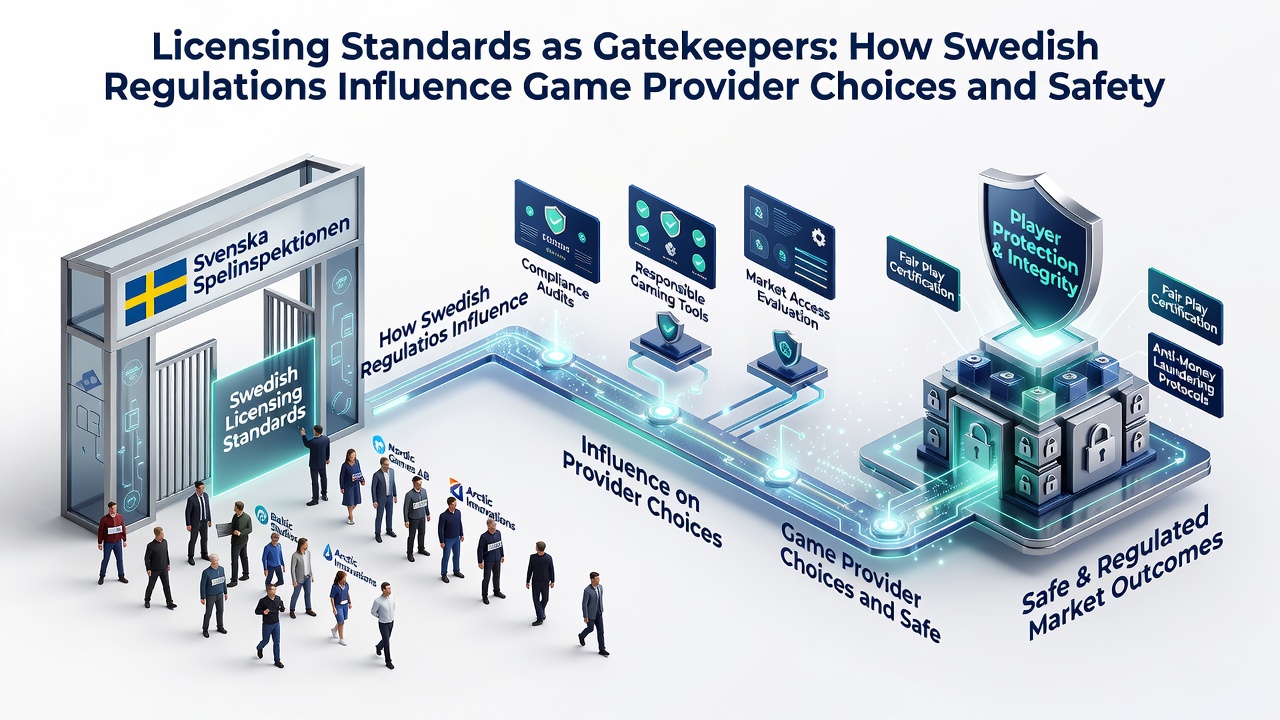
Player protection tools include mandatory reality checks every thirty minutes of live play and direct links to self-exclusion registers that operate independently of any single operator. Research compiled by the European Gaming and Betting Association indicates these features correlate with lower dispute rates in mobile live segments compared to unregulated environments, though exact figures vary by provider implementation.
Technical and Operational Adaptations
Live game studios modify streaming equipment and mobile optimization layers to meet Swedish bandwidth and security benchmarks, which include minimum frame rates and fallback mechanisms during network interruptions. Providers that fail initial certification often revise their architectures, leading to standardized mobile interfaces across multiple licensed operators. This convergence reduces fragmentation while maintaining distinct branding elements permitted under the regulations.
Cross-Border Influences and Comparative Standards
Swedish requirements interact with broader EU directives on consumer protection and data processing, prompting providers to align their systems with multiple jurisdictions simultaneously. Comparisons with frameworks such as those administered by the Alcohol and Gaming Commission of Ontario reveal overlapping emphasis on independent testing laboratories and responsible gaming integration, though Sweden places additional weight on real-time live stream authentication. Providers active in both regions frequently maintain unified compliance teams to manage these parallel standards efficiently.
Conclusion
Licensing standards continue to shape provider participation and safety features in Swedish mobile live play through structured certification, ongoing audits, and technical specifications that address both fairness and player safeguards. Data from August 2026 confirms sustained growth in approved mobile offerings alongside stable compliance metrics, illustrating how regulatory gatekeeping directs market activity without prescribing specific game designs. Providers respond by adapting existing technologies and processes to satisfy these criteria, resulting in a concentrated set of certified options available to Swedish users.